- Key Takeaways
- Start With the Property Itself
- Set the Right Rental Price
- Take High-Quality Photos
- Write a Clear Rental Description
- Highlight Location Benefits
- Advertise Across Multiple Channels
- Use a Strong Listing Headline
- Consider a Video Tour
- Make the Exterior Look Welcoming
- Refresh an Older Rental Before Advertising
- Be Transparent About Costs
- Respond Quickly to Inquiries
- Use Fair and Consistent Screening Practices
- Prepare the Property Before Advertising
- Avoid Common Advertising Mistakes
- Build a Repeatable Rental Marketing Process
- Conclusion
Key Takeaways
- Prepare the rental property by completing repairs, cleaning, and practical improvements before advertising.
- Set a competitive rental price by comparing similar properties and considering included features and costs.
- Use bright, high-quality photos and a detailed listing to help potential tenants understand the property.
- Advertise across multiple rental platforms and marketing channels to reach a wider pool of prospective tenants.
- Respond quickly and professionally to inquiries, and provide clear information about showings, costs, and lease terms.
- Apply consistent, lawful screening standards to identify qualified applicants while following fair housing requirements.
- Track inquiries, showings, and applications to improve future rental marketing efforts and reduce vacancy time.
Finding the right tenant starts with good advertising. Even a well-maintained rental property can sit vacant if potential renters do not notice the listing, understand what makes the home valuable, or feel confident about scheduling a showing.
For house flippers and rental property investors, effective advertising is especially important. Every vacant day can mean lost rental income, while rushing to fill a property can lead to poor tenant decisions. A strong marketing strategy helps you attract more qualified renters while presenting the property in an honest and appealing way.
The good news is that you do not need a huge marketing budget to advertise a rental property successfully. Good photos, a clear listing, the right rental price, and a consistent marketing plan can make a major difference.
Here are practical ways to advertise a rental property and attract tenants who are a good fit.
Start With the Property Itself
Before creating an advertisement, make sure the property is ready to show.
Renters are comparing your home with other available properties. Small problems can make a big difference when someone is deciding where to live.
Walk through the property and look for issues such as:
- Peeling paint
- Broken fixtures
- Dirty floors
- Damaged cabinets
- Leaking faucets
- Burned-out light bulbs
- Overgrown landscaping
- Dirty windows
- Loose hardware
- Clutter
A clean and functional property gives your marketing a stronger foundation.
This is also a good time to think about rental property upgrades that can improve the property’s appeal without requiring a major renovation. Fresh paint, modern light fixtures, updated cabinet hardware, improved landscaping, and durable flooring can make an older rental feel more current.
Do not automatically spend thousands of dollars on upgrades. Focus on improvements that renters will notice and that make sense for the property’s market.
Set the Right Rental Price

Price is one of the most important parts of your rental advertisement.
If the rent is too high, your property may receive few inquiries. If it is too low, you could attract many applicants but leave potential income on the table.
Research comparable rental properties in the same area. Look for homes with similar:
- Number of bedrooms
- Number of bathrooms
- Square footage
- Property condition
- Amenities
- Parking options
- Outdoor space
- Location
Do not compare your property only with the most expensive rentals nearby. Look at several similar listings to understand the current market.
Also consider what is included in the rent. Utilities, parking, appliances, landscaping, storage, and other features can affect the property’s overall value.
Your goal is to find a competitive price that reflects the home’s condition and local demand.
Take High-Quality Photos
Photos are often the first thing potential tenants notice.
Poor photos can make a good property look unappealing. Dark rooms, cluttered countertops, crooked images, and blurry pictures can cause renters to skip your listing.
You do not necessarily need an expensive camera. A modern smartphone can produce good results when used correctly.
Before taking photos:
- Clean every room.
- Remove unnecessary clutter.
- Open curtains and blinds.
- Turn on the lights.
- Make beds.
- Clean counters.
- Put away personal items.
- Photograph rooms from useful angles.
Take photos during the day when there is plenty of natural light.
Include the most important spaces, such as the kitchen, living room, bedrooms, bathrooms, laundry area, exterior, parking area, and backyard when applicable.
Do not use misleading photos. If an image makes a small room look much larger than it really is, renters may feel disappointed when they visit.
Honest photos help attract people who are genuinely interested in the property.
Write a Clear Rental Description
A good rental description answers the questions a potential tenant is likely to have.
Start with the most important information. Explain the property’s location, size, bedroom and bathroom count, major features, rental price, and availability.
For example, instead of writing:
“Nice house for rent in a great area.”
Provide useful details about what makes the property different.
You might describe:
- Updated kitchen
- Two-car garage
- Private backyard
- In-unit laundry
- Home office
- Large closets
- New flooring
- Nearby parks
- Convenient access to major roads
Avoid filling the description with exaggerated claims. Words such as “perfect,” “amazing,” and “best” mean little without details to support them.
Think about what a renter would want to know before deciding whether to contact you.
Highlight Location Benefits
Location is a major factor in rental decisions.
Your listing should explain useful nearby features without making promises that are difficult to verify.
Depending on the property, mention proximity to:
- Grocery stores
- Restaurants
- Parks
- Public transportation
- Major roads
- Shopping areas
- Schools
- Medical facilities
- Employment centers
- Entertainment
Be specific when appropriate.
Instead of simply saying “close to shopping,” explain which shopping areas are nearby and approximately how convenient they are.
However, make sure your claims are accurate. Do not advertise a property as being within walking distance of a location if it requires a long drive.
Advertise Across Multiple Channels
Do not depend on one platform to find tenants.
List the property on popular rental websites that serve your market. You can also consider local community groups, social media, property management networks, and your own website.
Each marketing channel can reach a different audience.
When posting across several platforms, keep the basic information consistent. The rental price, availability date, deposit requirements, and property details should not contradict one another.
Update listings promptly when the property is rented. An outdated listing can waste your time and frustrate prospective tenants.
Use a Strong Listing Headline
Your headline should quickly communicate what makes the property worth considering.
A renter may scroll through dozens of listings, so a vague headline can easily get ignored.
Instead of:
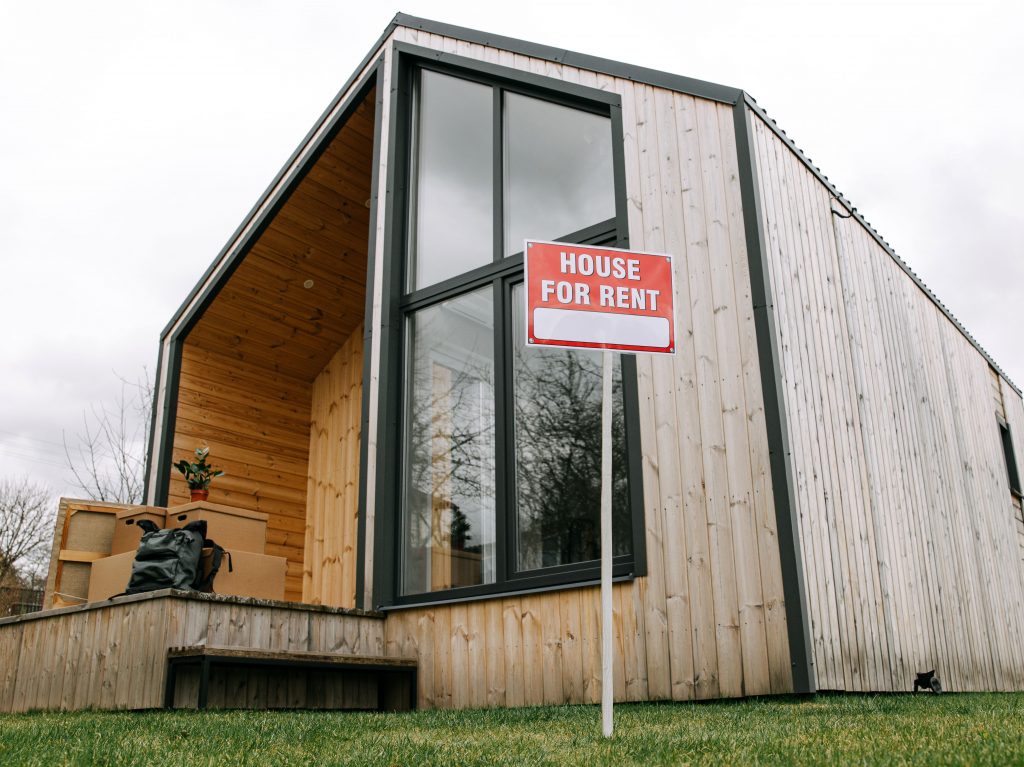
House for Rent
Try something more informative, such as:
Updated 3-Bedroom Home With Garage and Private Yard
The second headline tells renters more about the property before they even open the listing.
Focus on genuine benefits rather than exaggerated marketing language.
Consider a Video Tour
A short video tour can give potential tenants a better understanding of the home’s layout.
Walk through the property slowly and show how the rooms connect. Make sure the home is clean and well lit before recording.
You can include:
- Exterior
- Entryway
- Living room
- Kitchen
- Bedrooms
- Bathrooms
- Storage
- Outdoor areas
A video can also reduce unnecessary showings. People who decide to schedule a visit after watching the tour may already have a better understanding of the property.
Avoid using video to hide flaws. The purpose is to give prospective renters a realistic view of the home.
Make the Exterior Look Welcoming
First impressions matter.
The outside of the property is the first physical part of the home that most prospective tenants see.
Simple improvements can make the exterior more attractive:
- Mow the lawn
- Trim bushes
- Remove weeds
- Clean walkways
- Wash exterior surfaces
- Replace damaged house numbers
- Clean the front door
- Add simple outdoor lighting
- Remove debris
You do not need elaborate landscaping. A clean, maintained exterior can make the property feel more cared for.
For a rental investor, this can also help protect the property’s long-term appearance.
Refresh an Older Rental Before Advertising
Older properties often need a little attention before they are ready for new tenants.
If you are wondering how to refresh your home before putting it on the rental market, start with the improvements renters see and use most often.
Fresh neutral paint can make rooms feel cleaner and brighter. Replacing dated light fixtures can change the appearance of a room without major construction. New cabinet handles, faucets, mirrors, and door hardware can also provide inexpensive visual improvements.
Focus on durability as well as appearance. A rental property needs finishes that can handle regular use.
The goal is not to make the property look like a luxury home. It is to create a clean, comfortable, functional space that feels worth the asking rent.
Be Transparent About Costs
Renters need to understand the total cost of renting the property.
Your advertisement should clearly explain applicable charges and requirements, such as:
- Monthly rent
- Security deposit
- Application fee, if applicable
- Pet-related fees
- Parking costs
- Utility responsibilities
- Lease term
- Move-in requirements
Local laws may regulate certain fees, deposits, disclosures, and advertising practices, so landlords should check the rules that apply in their location.
Being transparent can also save time. Prospective tenants who cannot meet the basic financial or lease requirements are less likely to schedule unnecessary showings.
Respond Quickly to Inquiries
Good advertising can generate leads, but slow communication can cause you to lose them.
Many renters contact several properties at once. If you wait several days to respond, they may have already found another home.
Check inquiries regularly and provide clear answers.
Have basic information ready about:
- Showing times
- Application process
- Lease terms
- Required documentation
- Move-in date
- Pet policies
- Property rules
Professional communication also creates a good first impression. The way you communicate before someone becomes a tenant can influence how they expect you will handle issues later.
Use Fair and Consistent Screening Practices
Attracting more tenants does not mean accepting every applicant.
The goal is to attract qualified applicants and use a consistent screening process.
Establish your rental criteria before reviewing applications. Depending on local law, criteria may include income, rental history, credit information, and other lawful factors.
Apply the same standards consistently to all applicants.
Landlords must also comply with applicable fair housing laws. In the United States, the Fair Housing Act prohibits housing discrimination based on protected characteristics such as race, color, national origin, religion, sex, familial status, and disability.
When in doubt about screening or advertising rules, consult a qualified local professional.
Prepare the Property Before Advertising
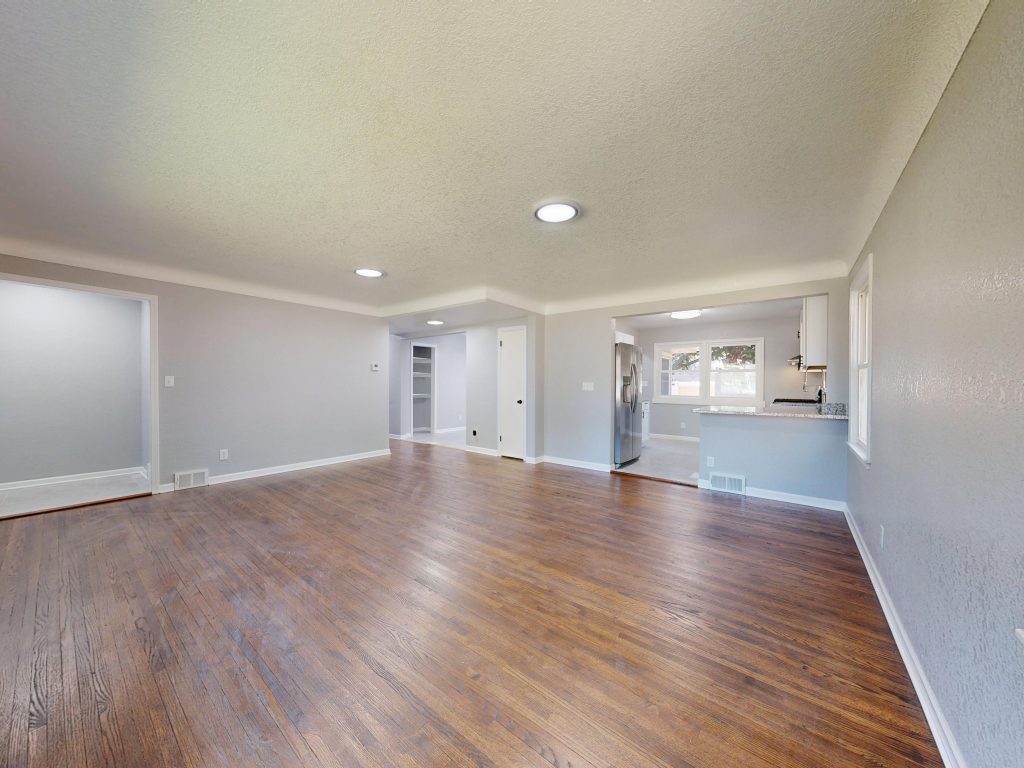
Before you start promoting a rental, make sure the property is clean, safe, and ready for potential tenants. Complete needed repairs, touch up worn areas, improve curb appeal, and make sure all major systems are working properly. If the property has experienced serious damage in the past, such as a fire, address the repairs and restoration before listing it. Knowing how to recover after fire can also help property owners understand the importance of restoring damaged areas, checking safety systems, removing lingering odors, and making the home feel comfortable and move-in ready again.
A well-prepared property is easier to market because good photos, showings, and descriptions can highlight its strongest features. Taking care of problems before advertising can also reduce delays once you find an interested tenant.
Avoid Common Advertising Mistakes
Several simple mistakes can make rental marketing less effective.
One common problem is using outdated photos. If you recently renovated the kitchen, show the current kitchen rather than an older version.
Another mistake is leaving important information out. Renters should not have to contact you just to discover the number of bedrooms, rental price, or basic lease terms.
Overpricing is another major issue. A property can be beautiful, but renters will compare it with other available homes.
Finally, avoid misleading descriptions. Honest marketing creates better expectations and can lead to stronger tenant relationships.
Build a Repeatable Rental Marketing Process
If you own several rental properties, create a standard process instead of starting from scratch every time a property becomes vacant.
Create a checklist covering:
- Property inspection
- Repairs and cleaning
- Improvements
- Professional or high-quality photography
- Listing description
- Rental price research
- Marketing channels
- Showing schedule
- Applicant screening
- Lease preparation
You can also keep templates for property descriptions and inquiry responses.
A repeatable system saves time and helps ensure that important steps are not missed.
Conclusion
Learning how to advertise rental property effectively is about more than posting a few photos online. Successful rental marketing begins with a property that is clean, functional, attractive, and priced appropriately.
High-quality photos, a detailed description, accurate information, and multiple marketing channels can help your listing reach more potential tenants. Fast communication and professional showings can then turn those inquiries into applications.
For house flippers and rental property investors, small improvements can also make a property easier to market. Focus on practical upgrades that improve appearance, comfort, durability, and everyday function.
Most importantly, advertise honestly and screen applicants consistently. The goal is not simply to find a tenant as quickly as possible. It is to find a qualified tenant who understands what the property offers and is a good fit for the rental.
With a repeatable marketing process and attention to the renter’s experience, you can reduce vacancy time, make your listings more competitive, and build a stronger rental property business.