For aspiring real estate investors, the promise of residential rental property ownership is intoxicating. Books, podcasts, and social media gurus paint an idyllic picture of financial freedom: buy a house, place a tenant, sit back, and collect monthly cash-flow checks that fund your lifestyle while the property appreciates in value.
However, the reality of real estate investing is far more nuanced. While residential rental property remains one of the most reliable wealth-building vehicles in modern history, it is not a passive money machine that runs on autopilot. First-time landlords quickly discover that gross rental income is vastly different from net operating profit.
- Miscalculating True Holding Costs and Overestimating Gross Rent
- Ignoring Major Structural Defect Signs and Exterior Liability Risks
- Underestimating Mechanical System Lifespans and Emergency Repair Costs
- Neglecting Perimeter Security and Exterior Property Boundaries
- Over-Improving Cosmetic Finishes and Mismanaging Contractors
- Overlooking Access Points, Parking Hazards, and Flat Surface Wear
- Building a Protected, High-Yield Rental Portfolio
Miscalculating True Holding Costs and Overestimating Gross Rent
The single most common mistake beginner investors make occurs long before they ever close on a property: poor financial underwriting. Driven by excitement and eager to close their first deal, novice investors fall into the trap of analyzing properties using seller “pro forma” spreadsheets. Sellers and real estate agents naturally present properties under best-case scenarios—assuming 100% occupancy, zero unexpected repairs, and minimal operating costs.
To accurately analyze a rental deal, you must account for every line item that eats into your monthly rent check. A baseline rule of thumb used by seasoned investors is the “50% Rule,” which estimates that operating expenses (excluding the mortgage payment) will consume approximately 40% to 50% of your gross rental income over time. Operating expenses include property taxes, landlord insurance, municipal utility fees, routine maintenance reserves, capital expenditure reserves, vacancy reserves, and property management fees.
Overestimating market rent is another quick way to destroy cash flow. Just because a similar house down the street is listed for $2,000 a month does not mean your property will fetch the same rate. Factors like interior layout, parking availability, school district boundaries, and interior finish quality heavily impact what tenants are actually willing to pay.
To avoid overpaying for a property during the acquisition phase, ground your underwriting in objective market data. Commission professional valuations from local house appraisal services to verify true property value and confirm that your purchase price reflects current market conditions.
Furthermore, smart real estate investing extends beyond immediate cash flow into long-term wealth preservation. As you acquire assets, coordinate with specialists in estate planning to structure your holdings within protective legal entities, such as Limited Liability Companies (LLCs) or asset protection trusts, ensuring your real estate equity transfers seamlessly to your heirs without exposure to unnecessary probate delays or estate taxes.
- Apply realistic expense ratios: Assume operating expenses will consume 40% to 50% of gross rental income over the life of the investment.
- Underwrite dedicated reserve accounts: Set aside 5% of gross rent for vacancy, 5% for routine repairs, and 5% for long-term capital replacements.
Ignoring Major Structural Defect Signs and Exterior Liability Risks
When walking through a prospective rental property, beginner investors often get distracted by cosmetic details like paint colors, kitchen backsplashes, and cabinet hardware. While cosmetic appeal helps rent a home, structural integrity dictates whether the property will actually make money. Ignoring exterior structural defects during your initial inspection period can lead to catastrophic repair bills that wipe out years of cash flow.
Exterior structural evaluations should always begin at the foundation. Look for horizontal cracks in foundation walls, stepping cracks in exterior brickwork, sloping interior floors, or sticking doors—all of which indicate foundation movement, soil settlement, or water intrusion issues. Repairing a settling foundation or installing helical piers can easily cost tens of thousands of dollars.
Driveways, walkways, patios, and retaining walls also present significant structural and liability concerns. Crumbling steps, sunken concrete pads, and severe pavement spalling create immediate trip-and-fall hazards for tenants and visiting guests. As a landlord, you are legally responsible for maintaining safe exterior walkways.
Hiring professional concrete contractors to level uneven slabs, repair cracked walkways, or pour stable front steps eliminates dangerous trip hazards before tenants move in, protecting your business from costly personal injury claims.
Landscaping hazards around the property perimeter require equal attention. Large, aging trees hanging over rooflines pose a massive risk to your physical asset. Overhanging branches drop sap, clog gutters, scrape roof shingles during windstorms, and drop heavy limbs during ice or lightning storms. Furthermore, invasive tree roots can grow into underground sewer mainlines, causing repeated plumbing backups that flood basements.
Hire certified arborists for selective tree removal when large, dying, or structurally compromised trees threaten the roofline, power connections, or subterranean plumbing systems. Removing a hazardous tree preemptively costs a fraction of repairing a crushed roof or hydro-jetting a collapsed sewer line.
- Audit foundation walls for structural cracks: Inspect basements and crawlspaces for horizontal cracking, water lines, or floor settling.
- Eliminate exterior trip hazards: Repair broken steps, uneven patio slabs, and cracked front walkways to satisfy landlord insurance terms.
Underestimating Mechanical System Lifespans and Emergency Repair Costs
Mechanical systems are the heart of a residential rental property. Heating, ventilation, air conditioning (HVAC), water heaters, and electrical panels keep the home habitable and comfortable. One of the most financially draining mistakes a beginner investor can make is ignoring the remaining useful life of these mechanical systems during underwriting.
Replacing a central HVAC system or a commercial-grade water heater is a capital expenditure, not a routine maintenance expense. If a furnace dies in the dead of winter, you cannot wait weeks to replace it; municipal housing codes require landlords to provide working heat immediately. Paying premium holiday or weekend rates for emergency mechanical replacements will instantly destroy your cash flow for the entire quarter.
During your due diligence inspection, check the manufacturer serial tags on the HVAC unit, water heater, and electrical panel to determine their exact age. Most standard residential HVAC systems have a functional lifespan of 15 to 20 years, while tank water heaters typically last 8 to 12 years. If you purchase a property where the furnace is 18 years old, you must budget for an immediate replacement, rather than assuming it will run indefinitely.
Proactive maintenance is far cheaper than emergency replacement. Establishing an annual service contract for seasonal HVAC repairs ensures that filters are changed, coils are cleaned, drain lines are cleared, and heat exchangers are inspected before extreme summer or winter weather hits.
Maintaining an emergency capital reserve account containing at least three to six months of mortgage payments and operating costs protects your personal finances when a mechanical system inevitably reaches the end of its life.
- Check manufacturer serial tags for equipment age: Determine the exact age of furnaces, AC compressors, and water heaters during inspections.
- Schedule bi-annual preventive maintenance: Clean coils, check refrigerant levels, and inspect furnace burners twice a year to extend system life.
Neglecting Perimeter Security and Exterior Property Boundaries
Perimeter security, clear property boundaries, and outdoor privacy are major selling points for prospective tenants. A secure, well-defined yard makes a rental home significantly more desirable, particularly for long-term family tenants with children or pets. Conversely, dilapidated, rotted, or missing fences create immediate safety hazards and tenant friction.
Neglecting boundary structures is a common oversight among first-time landlords. Old, weather-worn wood fences with rotting posts or leaning panels are high-liability items. High winds can blow down unstable fence sections, leaving tenants without yard security and exposing you to pet escape liabilities or neighbor disputes.
Before leasing a property with an aging perimeter fence, partner with a professional fence builder to inspect structural posts, ground footings, and gate latches. Replacing rotted support posts and rehanging sagging gates restores perimeter security and extends the life of existing fencing without requiring a full tear-out.
If the property lacks proper yard enclosure entirely, investing in a complete fence installation adds significant curb appeal and allows you to charge premium monthly rent. A well-constructed wood privacy or vinyl fence creates a secure outdoor living area, increases tenant retention rates, and reduces turnover costs.
Always verify exact property lot lines through a recorded land survey before installing new boundary fences or permanent landscaping. Building a fence even a few inches over a neighboring property line can lead to legal disputes, mandatory teardowns, and unnecessary contractor expenses that destroy your investment budget.
- Inspect fence post footings for rot: Check whether wooden support posts are anchored securely in concrete or rotting beneath ground level.
- Secure yard perimeters for pet owners: Ensure gates latch securely and bottom rails sit flush with the ground to prevent pets from escaping.
Over-Improving Cosmetic Finishes and Mismanaging Contractors
A trap that ensnares many first-time real estate investors—especially those coming from the home-flipping TV show era—is over-improving a rental property. It is easy to fall in love with a renovation project and install high-end finishes that you would want in your own personal home. However, spending money on luxury finishes that do not yield a proportional increase in monthly rent is a direct hit to your return on investment.
Installing imported marble countertops, high-end hardwood floors, or custom designer light fixtures in a mid-tier rental neighborhood is a financial mistake. Tenants will not pay $500 extra per month for marble over durable quartz or granite. Furthermore, delicate luxury finishes wear down quickly under normal tenant use, leading to high repair costs during turnover periods.
Focus instead on durable, cost-effective materials designed specifically for high-traffic rental environments. Replace carpet with Luxury Vinyl Plank (LVP) flooring, which is 100% waterproof, scratch-resistant, and easy to clean. Use semi-gloss or satin paint on walls and trim so tenants can wipe down scuffs without stripping the paint layer.
Bathrooms and kitchens require special attention because they are high-moisture zones prone to water damage. Rather than spending tens of thousands of dollars on custom tiled showers that require constant grout maintenance and re-sealing, hire a specialized bath remodeler to install durable, easy-to-clean acrylic tub surrounds and water-efficient fixtures. Modern acrylic surrounds create a clean, bright, waterproof bathing area that resists mold and stands up to years of tenant use.
When managing renovation contractors, never pay 100% of the project cost upfront. Draw up a written contract with an itemized scope of work, clear material specifications, and a payment schedule tied directly to completed inspection milestones. Hold back a final payment until all work is fully completed, inspected, and signed off.
- Select tenant-proof flooring materials: Install Luxury Vinyl Plank (LVP) flooring instead of hardwood or carpet for maximum durability.
- Avoid luxury cosmetic upgrades: Stick to mid-tier, clean, functional finishes that match neighborhood standards without over-capitalizing.
Overlooking Access Points, Parking Hazards, and Flat Surface Wear
Entry points, driveways, and garage mechanisms represent high-use touchpoints that experience daily wear and tear. Overlooking these functional systems during property acquisition or tenant turnover creates constant maintenance calls that eat away at your time and monthly cash flow.
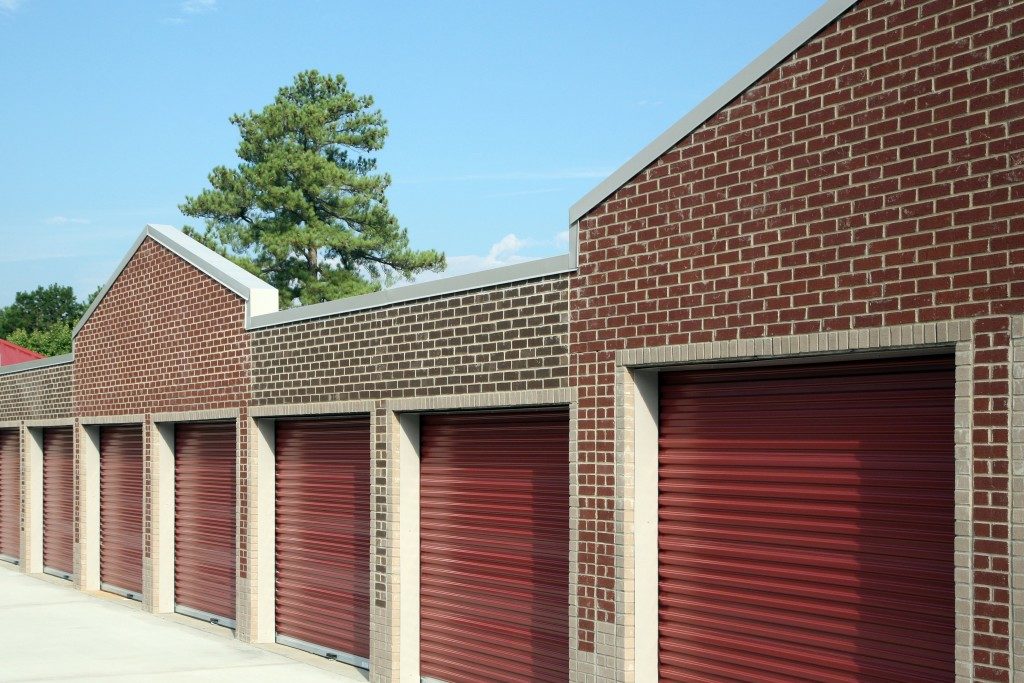
Garage doors and automatic openers are complex mechanical systems containing high-tension springs, steel cables, tracks, and electric motors. A malfunctioning garage door is a major safety hazard and a severe inconvenience for tenants. If a spring snaps or a sensor misaligns, your tenant cannot park their vehicle or secure their belongings.
Whenever a garage door binds, makes grinding noises, or fails to reverse when safety sensors are triggered, call a certified technician for immediate garage door repair. Attempting DIY repairs on high-tension garage door springs is extremely dangerous and can result in severe personal injury or property damage. Keeping garage doors balanced, lubricated, and properly aligned prevents emergency lockouts and extends opener motor life.
Exterior flat surfaces—including asphalt driveways, parking pads, and carports—require ongoing preventative maintenance. Over time, water penetration, freeze-thaw cycles, and heavy vehicle loads create deep potholes, alligator cracking, and sub-grade soil erosion. Potholes and crumbling asphalt not only ruin your property’s curb appeal, but they also create trip hazards and vehicle damage claims.
Partnering with professional paving companies to seal-coat, patch, or resurface worn driveways protects the underlying sub-base and prevents costly total replacements. A smooth, well-drained, cleanly paved driveway enhances curb appeal, allows you to command higher rent, and prevents water from pooling near your home’s foundation walls.
- Inspect garage door safety sensors: Test automatic safety reverse mechanisms and electric sensors monthly to prevent closure accidents.
- Lubricate garage door hardware: Apply specialized garage door silicone spray to tracks, rollers, and springs annually to reduce strain on openers.
Building a Protected, High-Yield Rental Portfolio
Succeeding as a real estate investor is not a matter of luck; it is the result of disciplined financial analysis, thorough due diligence, proactive maintenance, and professional asset management. Buying your first rental property is a major achievement, but protecting your cash flow requires ongoing effort and attention to detail.
By avoiding the common pitfalls that trap beginner landlords, underwriting with realistic numbers, inspecting structural and mechanical systems thoroughly, maintaining property boundaries, choosing durable interior finishes, and partnering with qualified contractors, you transform a high-risk real estate purchase into a resilient, cash-generating investment asset.
Take a proactive, business-like approach to your rental portfolio. Treat your tenants with respect, inspect your physical assets regularly, maintain dedicated financial reserves, and make data-driven decisions. Over time, as your mortgage balance decreases and rental rates rise, your carefully managed rental properties will deliver the reliable cash flow, equity growth, and long-term financial security you worked so hard to achieve.