The water heater is the unsung hero of the modern home. It works silently in the basement, a closet, or the garage, providing the comfort of a hot shower, the sanitation of a dishwasher cycle, and the convenience of warm water for laundry. Because it is often tucked away out of sight, most homeowners give it very little thought—until the morning they are greeted by an icy blast of water or, worse, a flooded mechanical room.
Unlike a leaky faucet or a slow drain, water heater failure is often sudden and catastrophic. A standard tank-style heater holds anywhere from 30 to 80 gallons of pressurized, heated water.
When a tank finally gives way, it doesn’t just drip; it can release its entire contents in a matter of minutes, causing thousands of dollars in property damage. Understanding the warning signs that your unit is approaching its breaking point is essential for preventing a household disaster.
The Telling Signs of Age and Oxidation
The first and most objective metric for evaluating your water heater’s risk level is its age. Most traditional tank water heaters are designed to last between eight and twelve years. If you cannot remember when your unit was installed, you can usually find a manufacturer’s sticker on the side of the tank. This sticker contains a serial number that includes the month and year of production. Once a heater crosses the decade mark, the internal components have been subjected to thousands of heating and cooling cycles, which naturally fatigue the metal.
Corrosion is the primary enemy of the storage tank. To fight this, manufacturers include an “anode rod”—a sacrificial piece of magnesium or aluminum that attracts corrosive elements in the water so they eat the rod instead of the tank. However, once the anode rod is completely depleted, the water begins to attack the steel lining of the tank itself.
A clear sign that this oxidation is occurring is the appearance of rusty water. If you notice a metallic tint or actual flakes of rust coming out of your hot water taps—but not the cold ones—the tank is likely rusting away from the inside. Similarly, if you see rust forming around the seams, the intake valves, or the base of the tank, the structural integrity of the unit has been compromised. At this stage, the metal is thinning, and a “ticking time bomb” scenario is well underway.
Auditory Warnings and Efficiency Loss
Your water heater will often try to tell you it is failing before it actually lets go. If you begin to hear strange noises coming from the tank—pops, bangs, or rumbling sounds—do not ignore them. These sounds are usually the result of sediment buildup. Over years of operation, minerals like calcium and magnesium settle at the bottom of the tank, forming a thick layer of “scale.”
When the burner or heating element engages, it has to heat through this layer of sediment to reach the water. This causes the sediment to harden and eventually flake off. The banging sound you hear is often steam bubbles bubbling up through the crust of sediment, or the sediment itself knocking against the side of the tank. Beyond the noise, this buildup acts as an insulator, forcing the heater to run longer and hotter to maintain temperature. This extra heat further stresses the metal tank and can lead to premature cracks.
Furthermore, you might notice that your “hot” water isn’t as hot as it used to be, or that the recovery time—the time it takes for the tank to heat back up after a shower—has doubled. This loss of efficiency is a precursor to total heating element failure or a thermostat malfunction. When the unit has to work twice as hard to perform its basic function, it is only a matter of time before a critical component gives out entirely.
Moisture, Leaks, and the Professional Verdict
The most immediate red flag is the presence of water where it shouldn’t be. If you find standing water around the base of the heater or a damp floor in the surrounding area, you must act quickly. Sometimes, a leak is simply a loose connection or a faulty Temperature and Pressure (T&P) relief valve. These are manageable repairs that can extend the life of the unit. However, if the water is seeping directly from the tank body, it indicates a fracture in the internal cylinder.
Metal expands when it is heated and contracts when it cools. Over a decade of these “thermal expansion” cycles, microscopic cracks can form in the tank’s glass lining or steel shell. While these cracks may be small enough to stay closed when the tank is cold, they can open up significantly under pressure and heat. If you spot moisture, it is time to call in a plumbing contractor to evaluate whether the unit can be saved or if a full replacement is the only safe path forward.
A professional can perform a “flush” to remove sediment or replace a depleted anode rod, but they can also provide a realistic assessment of the tank’s remaining lifespan. In many cases, replacing an aging unit before it bursts is the most cost-effective decision a homeowner can make. Not only does a new unit provide better energy efficiency and lower utility bills, but it also provides the priceless peace of mind that comes with knowing you won’t wake up to a flooded home.
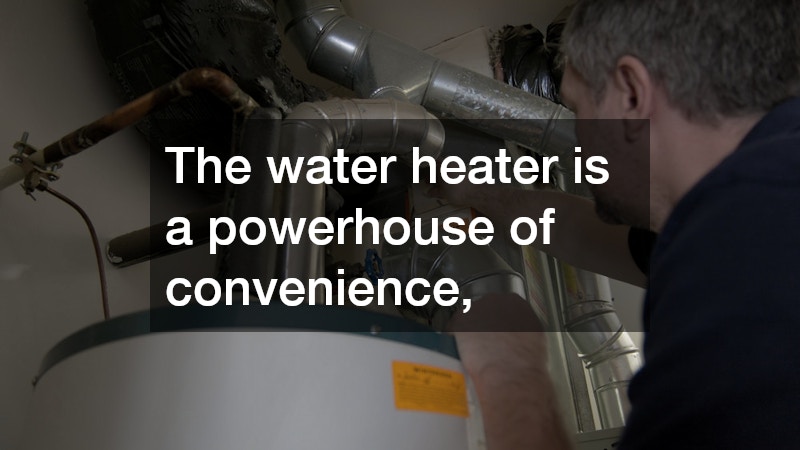
The water heater is a powerhouse of convenience, but it is also a pressurized vessel that requires respect and maintenance. By keeping an eye on the age of your unit, listening for unusual noises, and inspecting for rust or moisture, you can take control of the situation. Don’t wait for the “bomb” to go off; stay proactive and ensure your home remains both dry and comfortably warm.