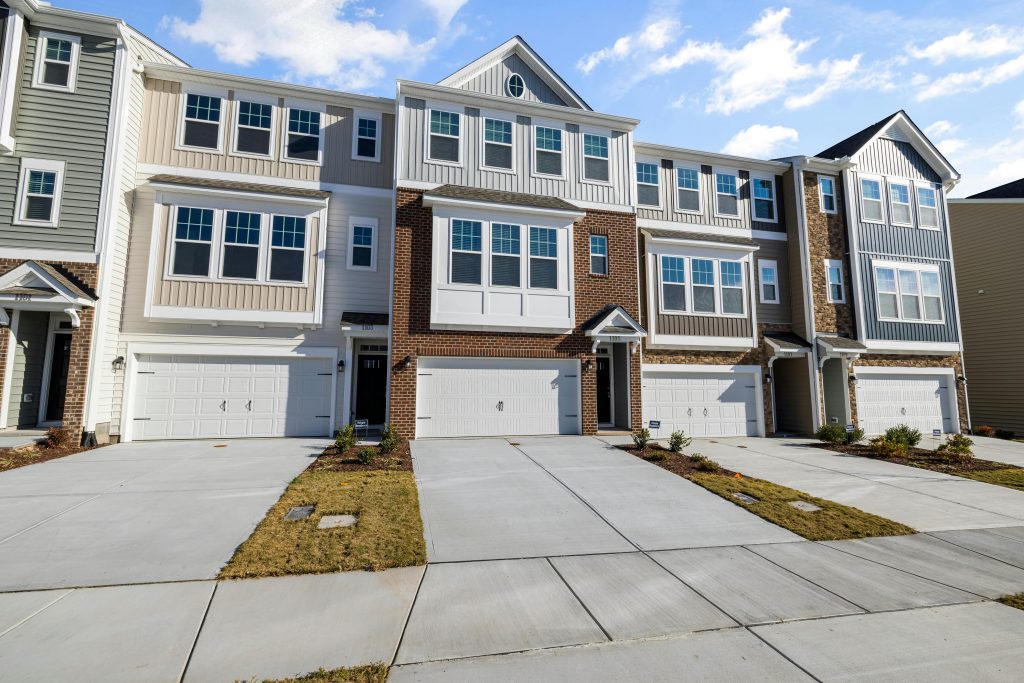
- Townhouses balance affordability and space: They often cost less than single-family homes while offering multi-level layouts that appeal to tenants.
- HOA benefits and considerations: Homeowner associations handle exterior maintenance and landscaping, making management easier, but HOA fees can impact cash flow.
- Strong rental demand: Young professionals, small families, and downsizers are typical tenants, ensuring steady occupancy in many areas.
- Profitability varies by location: Urban townhouses may command higher rent, while suburban units may offer better long-term appreciation and lower turnover.
- Potential for value growth and ROI: With minor renovations like kitchen or bathroom upgrades, landlords can increase rental income and property value over time.
- First-time landlord readiness is key: Understanding local market trends, financing options, property management needs, and tenant expectations is crucial to making townhouses a successful investment.
For first-time landlords, the real estate investment landscape can be daunting. The variety of property types—from single-family houses and condos to multi-family buildings—makes the decision complex. A frequently underestimated choice is the townhouse. So, for new investors, a key question remains: Are townhouses a smart investment? Here is a detailed look at the answer.
- What Makes Townhouses Different from Other Properties?
- Are Townhouses Profitable for First-Time Landlords?
- How Much Can First-Time Landlords Expect to Earn?
- Who Are the Ideal Tenants for a Townhouse?
- What Are the Pros of Investing in Townhouses?
- What Are the Cons First-Time Landlords Should Consider?
- How Does Location Impact Townhouse Investment?
- How to Finance Your First Townhouse Investment
- Tips for Managing Your Townhouse as a First-Time Landlord
- Can Renovations Boost Your Investment?
- How to Decide if a Townhouse Is Right for You
- So, Are Townhouses a Good Investment for First-Time Landlords?
What Makes Townhouses Different from Other Properties?
Before deciding whether a townhouse is the right investment, it helps to understand how it stacks up against other property types.
Compared to Condos:
Townhouses usually offer more space, multiple levels, and private entrances, which can make them more appealing to tenants looking for a home-like feel. When evaluating options, the condo vs townhouse comparison often comes down to space, privacy, and control over upgrades.
Unlike condos, which often restrict exterior changes, townhouses give landlords more flexibility to make improvements. Many townhouses also come with HOA fees, similar to condos, but they often provide larger layouts and more privacy for tenants.
Compared to Single-Family Homes:
Townhouses generally cost less than detached single-family homes in the same area while still offering multiple stories and functional living space. They typically have smaller yards and shared walls, which can reduce maintenance but may affect tenant appeal.
HOAs often handle exterior upkeep, landscaping, and shared amenities, making townhouse management easier for first-time landlords. The trade-off is slightly less privacy and potentially slower long-term appreciation compared to single-family homes.
Are Townhouses Profitable for First-Time Landlords?

Profitability depends on your location, market conditions, and the property itself. Here’s what makes townhouses attractive:
- Lower entry cost: Townhouses often cost less than detached single-family homes in the same neighborhood, making them more accessible for first-time investors.
- High rental demand: Many tenants, especially young professionals and small families, prefer townhouses for their space, convenience, and amenities.
- Easier maintenance: Shared HOA responsibilities mean fewer headaches managing exterior repairs, landscaping, or snow removal.
- Potential for appreciation: Townhouses in growing urban or suburban areas can increase in value over time, offering both rental income and long-term gains.
On the flip side, there are risks: HOA fees can reduce cash flow, shared walls may limit tenant appeal, and appreciation may lag behind single-family homes in some markets.
How Much Can First-Time Landlords Expect to Earn?
Rental income varies widely based on location, property size, and local demand. Here’s a rough breakdown:
- High-demand urban areas: Townhouses can rent for nearly the same as single-family homes but at a lower purchase price, improving your cash-on-cash return.
- Suburban neighborhoods: Smaller townhouses may attract lower rent, but tenants often stay longer, reducing vacancy rates.
- Average ROI: Many first-time townhouse landlords report a rental yield between 5% and 8%, depending on mortgage rates, HOA fees, and upkeep costs.
Keep in mind that adding value through minor renovations—like updated kitchens, bathrooms, or flooring—can significantly increase both rental income and resale value.
Who Are the Ideal Tenants for a Townhouse?
Knowing your target tenant helps ensure consistent occupancy. Townhouses appeal to:
- Young professionals: They often prefer low-maintenance homes close to work and entertainment.
- Small families: Two or three bedrooms, a small yard, and multiple levels offer space without the cost of a detached house.
- Empty nesters downsizing: Older tenants may look for a smaller home in a community with amenities like walking trails or pools.
Marketing to the right audience can make your townhouse a steady and profitable investment.
What Are the Pros of Investing in Townhouses?
Let’s summarize the main benefits for first-time landlords:
- Lower initial purchase price compared to single-family homes
- HOA manages many exterior responsibilities
- Multi-level layout attracts tenants looking for space
- Often located in convenient areas near shops, schools, or public transit
- Potential for long-term appreciation
- Lower maintenance costs than detached homes
These advantages make townhouses an appealing choice, especially for investors new to property management.
What Are the Cons First-Time Landlords Should Consider?
No investment is without drawbacks. Here’s what to watch out for:
- HOA fees reduce cash flow
- Shared walls can lead to noise complaints
- Appreciation may be slower than single-family homes in some regions
- Resale may be slightly more challenging due to buyer preference for detached homes
- Limited yard space may not appeal to all tenants
Evaluating these cons helps you make an informed decision and prepare for potential challenges.
How Does Location Impact Townhouse Investment?

Location is one of the biggest factors in determining whether a townhouse will be profitable. Consider:
- Urban vs suburban: Urban townhouses often have higher rent potential, but suburban units may offer better long-term appreciation.
- School districts: Good schools attract families, which can reduce turnover and vacancies.
- Amenities and transit: Properties near shops, restaurants, and public transport are usually easier to rent.
- Local market trends: Understanding local supply and demand ensures your townhouse investment is in a growing, profitable area.
A well-chosen location can offset many potential drawbacks of townhouse ownership.
How to Finance Your First Townhouse Investment
First-time landlords may need guidance on financing. Here are common options:
- Conventional mortgage: A standard choice, usually requiring 20% down if the property is an investment rather than primary residence.
- FHA or VA loans: Some townhouses qualify if you live in one unit first and rent it later, though rules vary.
- Portfolio loans: Offered by some banks for investors looking to hold multiple properties.
- Creative financing: Partnering with family, using HELOCs, or seller financing may reduce upfront costs.
Choosing the right financing option impacts cash flow, ROI, and long-term profitability.
Tips for Managing Your Townhouse as a First-Time Landlord
Managing your first rental property can feel overwhelming. These tips can help:
- Screen tenants carefully: Background checks and references reduce risk of late payments or property damage.
- Use a property management company if needed: Especially helpful if you live far from your rental or don’t want day-to-day landlord duties.
- Budget for repairs: Even with HOA coverage, you’ll need a reserve for interior maintenance and emergencies.
- Keep records: Track expenses, rent payments, and maintenance for tax purposes and long-term planning.
- Consider insurance: Landlord insurance protects your investment against damages, liability, and loss of rent.
Following these steps makes first-time townhouse investment more manageable and less stressful.
Can Renovations Boost Your Investment?
Renovations can significantly impact both rental income and resale value. Consider these upgrades:
- Kitchen and bathroom updates: Modern fixtures and appliances attract tenants willing to pay higher rent.
- Energy-efficient upgrades: Solar panels, efficient HVAC systems, and new windows can reduce costs and appeal to eco-conscious renters.
- Flooring improvements: Durable, low-maintenance flooring like vinyl or laminate can attract tenants and lower repair costs.
- Curb appeal: Even small exterior touches, like landscaping or a fresh coat of paint, can improve first impressions and increase value.
Strategic renovations provide a solid return on investment while enhancing tenant satisfaction.
How to Decide if a Townhouse Is Right for You
Here’s a quick checklist for first-time landlords:
- Does the location have strong rental demand?
- Are HOA fees manageable within your budget?
- Can you handle shared-wall noise issues?
- Are you prepared for ongoing maintenance and property management?
- Does the property offer long-term appreciation potential?
- Can you finance the property without overextending yourself?
If you can answer yes to most of these, a townhouse may be a smart first investment.
So, Are Townhouses a Good Investment for First-Time Landlords?
The short answer: Yes, they can be. Townhouses offer a balance between affordability, tenant appeal, and manageable maintenance, making them an attractive option for first-time landlords. Like any investment, success depends on careful property selection, financing, tenant management, and attention to local market trends.
By understanding the pros and cons, targeting the right tenants, and staying proactive with maintenance and upgrades, first-time landlords can make townhouses a profitable and rewarding investment.