
- Condos are best for singles and professionals; townhouses are best for families.
- Townhouses usually earn higher rent; condos are easier to manage.
- HOA fees reduce condo profits; townhouse maintenance can be costly.
- Condos can appreciate quickly in urban areas; townhouses grow steadily over time.
- Condos require less hands-on management; townhouses need more upkeep.
- Location drives rental income: urban condos vs. suburban townhouses.
- Upgrade properties, market to the right tenants, and track expenses to maximize income.
Investing in real estate can be a powerful way to build passive income, but choosing the right property type is key. Condos and townhouses are two popular options, each with its own pros and cons. But which is better for rental income in 2026? This guide breaks it down for investors, from costs to cash flow, maintenance, and tenant appeal.
- Understanding the Basics: Condo vs Townhouse
- How Rental Income Differs Between Condos and Townhouses
- Cost Considerations: What Will Affect Your ROI?
- Tenant Appeal: Who Will Rent Your Property?
- Rental Income Potential: Numbers That Matter
- Pros and Cons of Condo Investments
- Pros and Cons of Townhouse Investments
- Which Property Type Is Easier to Manage?
- Market Trends in 2026: What Investors Should Know
- Tax Considerations for Rental Properties
- Frequently Asked Questions
- Tips to Maximize Rental Income in 2026
- The Bottom Line
Understanding the Basics: Condo vs Townhouse
What Is a Condo?
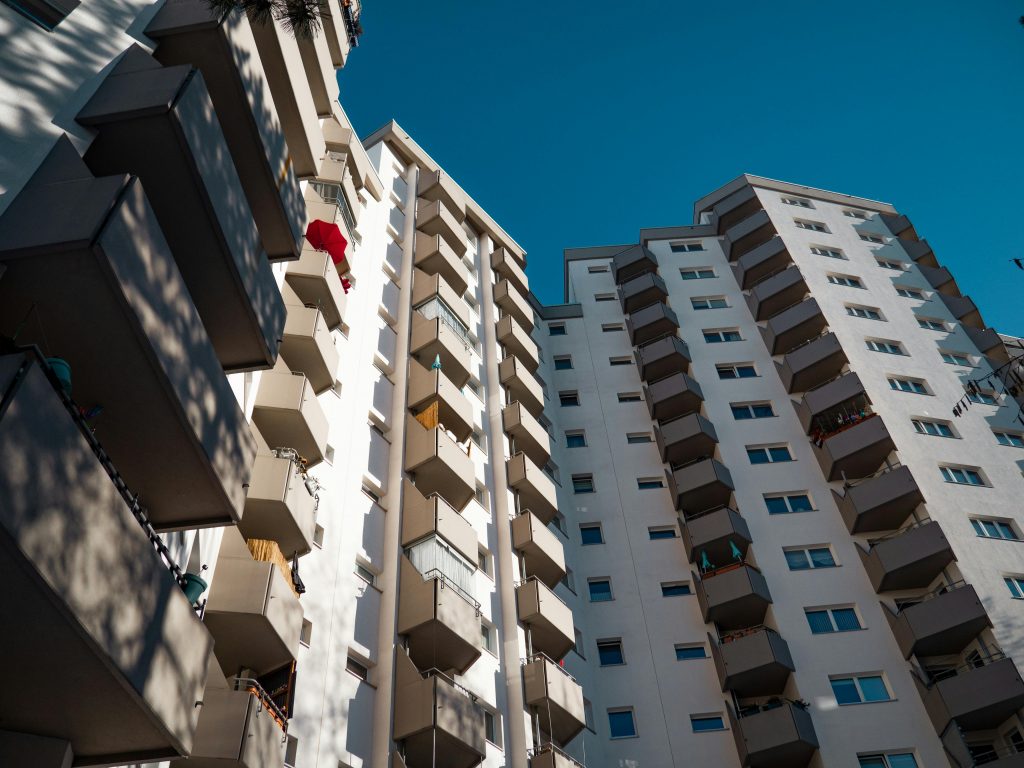
A condominium, or condo, is a private unit within a larger building or complex. Owners typically share common areas such as pools, gyms, and hallways. Condos often appeal to singles, young professionals, and small families looking for a low-maintenance lifestyle.
What Is a Townhouse?
A townhouse is a multi-story home that shares at least one wall with neighboring units. Unlike condos, townhouses usually provide more privacy and space, including a small yard or patio. They attract families and tenants who value extra living space and a sense of homeownership without the upkeep of a detached house.
Key Differences
- Ownership: Condos share common ownership; townhouses typically include the structure and land.
- Maintenance: Condos often include maintenance fees; townhouse owners handle more upkeep themselves.
- Space: Townhouses generally offer more living space and outdoor areas.
- Privacy: Townhouses usually provide better sound insulation and more privacy.
How Rental Income Differs Between Condos and Townhouses

Are Condos Profitable for Renters?
Condos can generate solid rental income, especially in urban areas. Their appeal lies in convenience and amenities, which can attract higher-paying tenants. Monthly maintenance fees can cut into profits, but many investors find the tradeoff worthwhile for lower upkeep.
Pros of renting a condo:
- Often easier to manage due to HOA maintenance
- Amenities can justify higher rents
- Great for single tenants and professionals
Cons:
- HOA fees reduce net income
- Limited control over building rules
- Parking and storage can be limited
Are Townhouses Better for Rental Income?
Townhouses can also be profitable, particularly for families or long-term tenants. They usually command higher rents due to extra space, more privacy, and outdoor areas. However, they may come with higher maintenance responsibilities.
Pros of renting a townhouse:
- More space can attract long-term tenants
- Higher potential rent due to family-friendly features
- Often includes private entrances and small yards
Cons:
- Maintenance and repairs fall on the owner
- Less centralized amenities
- Might require more marketing to find tenants
Cost Considerations: What Will Affect Your ROI?
Purchase Price
The initial purchase price is one of the biggest factors affecting your return on investment. Condos are generally cheaper upfront, making them appealing for first-time investors or those with a limited budget. Their smaller size and shared building structure reduce costs, but keep in mind that a lower purchase price doesn’t always mean higher profitability—location and rental demand play a major role.
On the other hand, townhouses tend to have larger square footage, private entrances, and even small yards, which naturally drives up the purchase price. When evaluating properties, always compare the cost to the potential rental income to determine your cash-on-cash return. For example, a slightly more expensive townhouse in a family-friendly neighborhood could provide higher rent and longer-term tenants, offsetting the higher purchase price over time.
HOA Fees vs Maintenance Costs
Homeowners’ association (HOA) fees are a major ongoing cost for condos. These fees often cover landscaping, building maintenance, security, and shared amenities such as pools and gyms. While they reduce the landlord’s direct responsibilities, they can significantly impact monthly cash flow.
Townhouses typically have lower HOA fees or none at all, but the owner is responsible for all maintenance—including lawn care, exterior repairs, roof work, and driveway upkeep. When estimating ROI, factor in both types of costs. A condo with a high HOA fee may generate less net income than a townhouse with higher upfront maintenance, depending on how much effort you invest in upkeep.
Property Taxes and Insurance
Property taxes vary widely depending on location and property type. Townhouses often incur higher taxes because you own both the structure and the land it sits on. Condo owners only pay taxes on the unit itself, but taxes can still be substantial in prime urban areas.
Insurance is another consideration: condos typically have a master insurance policy covering the building, while owners insure the interior and personal property. Townhouse insurance may cost more since it must cover the entire structure, including the roof, walls, and attached garage. Factor in these recurring costs when projecting monthly cash flow and ROI.
Renovation and Furnishing
The condition of the property at purchase greatly affects your ability to attract tenants and command competitive rent. Condos often require less immediate renovation because common areas, security, and amenities are maintained by the HOA. Modernizing a condo unit might include new appliances, fresh paint, or upgraded flooring.
Townhouses, however, may require more substantial upgrades to compete with similar rental properties, such as kitchen and bathroom remodels, new flooring, or even landscaping improvements. Investing in strategic renovations can increase rental income and attract higher-quality tenants, ultimately boosting your ROI. Additionally, furnishing a property for short-term rentals or corporate tenants can further enhance income potential.
Tenant Appeal: Who Will Rent Your Property?
Condos Attract Singles and Young Professionals
Condos are ideal for tenants looking for a convenient, low-maintenance lifestyle. Urban centers, close to offices, nightlife, and transportation, are prime spots for condos. Amenities like gyms, pools, and concierge services can make them more appealing.
Townhouses Appeal to Families
Townhouses attract tenants seeking more space, privacy, and outdoor areas. Schools, parks, and quiet neighborhoods can increase rental demand. Families are often willing to pay a premium for extra bedrooms and private yards.
Location Matters
No matter the type, location drives rental income. A condo in the city center can outperform a townhouse in the suburbs and vice versa. Analyze local rental trends and demographic demand before deciding.
Rental Income Potential: Numbers That Matter
Average Rent Comparison
When it comes to rental income, location, size, and tenant demographics all play a role. Condos often rent for slightly less per square foot compared to townhouses, largely because they are smaller and tenants share common spaces. Their affordability can attract younger renters, single professionals, or students, which can result in higher turnover. Higher turnover means more frequent vacancies, which can impact your overall rental income if not managed properly.
Townhouses, by contrast, typically offer more space, private entrances, and outdoor areas such as yards or patios. This extra space allows landlords to charge higher total rent, even if the per-square-foot rate is similar to a condo. Families, couples, or tenants looking for long-term stability are often willing to pay a premium for these features. Longer leases reduce vacancy risk and provide steadier cash flow over time.
For example, in a mid-sized suburban market in 2026, a 1,000 sq. ft. condo might rent for $2,000/month, whereas a 1,500 sq. ft. townhouse nearby could rent for $2,800/month. Even after accounting for higher maintenance costs, the townhouse often yields a higher net monthly income.
Cash Flow Considerations
Cash flow is the lifeblood of rental investing. To calculate potential monthly cash flow, you need to account for all recurring expenses and subtract them from rental income. Here’s what to include:
- Mortgage payments – Principal and interest are the largest recurring cost. Make sure you consider different financing options, such as fixed vs. adjustable rates, which will affect monthly cash flow.
- HOA fees (for condos) – These fees cover shared amenities, maintenance, and security, but can significantly reduce net income. High-demand condos with extensive amenities may justify higher rents, but you must factor fees into your calculations.
- Maintenance costs (for townhouses) – Townhouse owners handle their own landscaping, structural repairs, and exterior maintenance. Budget for ongoing upkeep, seasonal work, and unexpected repairs. A rule of thumb is 1–2% of property value per year for maintenance.
- Taxes and insurance – Property taxes and insurance vary by region and property type. Townhouses often cost more to insure due to larger size and land ownership.
Once you subtract all these costs from projected rental income, you get your net cash flow. Positive cash flow ensures that the property is generating income rather than costing you money each month.
Appreciation Potential
While rental income drives short-term ROI, long-term wealth comes from property appreciation. Both condos and townhouses can increase in value over time, but the patterns differ:
- Townhouses – With land ownership and more space, townhouses generally experience steadier, long-term appreciation. Families looking for stable homes in desirable neighborhoods support consistent demand, making townhouses a solid choice for long-term investors.
- Condos – Condos in urban centers can appreciate rapidly during high-demand periods, especially near business hubs, transit, and amenities. However, they are more sensitive to market fluctuations, economic cycles, and oversupply. A downtown condo may spike in value when demand is high but could experience slower growth or even temporary drops if the market softens.
Investors should weigh both cash flow and appreciation potential. For example, a condo in a booming urban market might offer moderate monthly income but significant appreciation in five years. Conversely, a townhouse in a stable suburban area may provide higher immediate cash flow and steady long-term growth.
Pros and Cons of Condo Investments
Pros
- Lower upfront cost
- Easier management
- Amenities attract tenants
- Urban locations increase rental demand
Cons
- HOA fees reduce profit
- Less control over property rules
- Shared walls and spaces can deter some tenants
Pros and Cons of Townhouse Investments
Pros
- Larger living spaces attract families
- Higher potential rent
- Greater privacy and independence
- Steadier long-term appreciation
Cons
- Higher purchase price
- Owner responsible for upkeep
- Amenities may be limited
Which Property Type Is Easier to Manage?
Condos: Low-Maintenance Investment
For hands-off investors, condos are often easier to manage. The HOA handles most common area maintenance, security, and repairs. Tenant issues are mostly limited to the unit itself.
Townhouses: More Hands-On
Townhouses require more involvement, from landscaping to repairs and upkeep. If you enjoy managing your property and want full control over decisions, townhouses can be rewarding.
Property Management Services
Hiring a property management company can simplify owning either type. For condos, they handle tenant placement and HOA coordination. For townhouses, they can manage landscaping, repairs, and emergency calls.
Market Trends in 2026: What Investors Should Know
Urban vs Suburban Demand
- Urban condos remain popular for professionals seeking proximity to work and amenities.
- Suburban townhouses are in demand among families and remote workers who value space and quieter neighborhoods.
Interest Rates and Financing
Interest rates impact mortgage affordability. Lower rates can make townhouses more attainable, while higher rates may favor smaller condo investments with lower down payments.
Remote Work Influence
With more people working from home, demand for extra space, home offices, and outdoor areas increases. Townhouses benefit from this trend, but condos with flexible layouts and amenities still attract younger tenants.
Rental Yield Trends
Rental yields are expected to vary by location:
- Urban condos: Moderate yield, high occupancy potential
- Suburban townhouses: Higher yield, long-term tenants, slightly lower turnover
Tax Considerations for Rental Properties
Depreciation Benefits
Both condos and townhouses allow property depreciation, which can reduce taxable income. Townhouses may offer slightly more due to land improvements.
Deductible Expenses
- Mortgage interest
- Property taxes
- HOA fees (for condos)
- Maintenance and repairs
- Property management fees
Capital Gains
When selling, the type of property affects capital gains treatment. Townhouses may appreciate more steadily, but condos in prime urban locations can offer significant short-term gains.
Frequently Asked Questions
Which Is Better for Beginners?
Condos are often better for first-time investors due to lower upfront costs and easier management.
Which Generates More Income Long-Term?
Townhouses can provide higher rent and steadier appreciation over time, especially in family-friendly areas.
Are Condos Riskier Investments?
Not necessarily. Risks include HOA instability, higher turnover, and market sensitivity, but careful selection can mitigate these issues.
Can You Rent a Condo or Townhouse Short-Term?
Yes, but check local regulations. Condos often have stricter rules on short-term rentals, while townhouses may offer more flexibility.
Tips to Maximize Rental Income in 2026
For Condos
- Choose units with desirable amenities and city locations – Look for condos that have features tenants want most, such as gyms, pools, rooftop terraces, and secure parking. Being close to public transport, office hubs, and entertainment districts can significantly increase demand and allow you to charge premium rent.
- Keep HOA fees in mind when calculating cash flow – High monthly HOA fees can eat into profits. Make sure you factor them into your calculations and compare potential rental income versus total expenses before purchasing.
- Update interiors to modern standards for higher rents – Even small upgrades like new flooring, fresh paint, energy-efficient appliances, or modern lighting can make a condo stand out. Tenants are willing to pay more for a move-in-ready, stylish unit.
- Market to young professionals and urban tenants – Focus your marketing on singles or couples working in the city. Highlight convenience, amenities, and low-maintenance living to attract long-term tenants who value these benefits.
For Townhouses
- Focus on family-friendly neighborhoods – Location is everything. Townhouses in areas with good schools, parks, and community amenities attract families who are likely to stay longer and pay higher rent.
- Offer upgraded kitchens, bathrooms, and outdoor spaces – Townhouses are valued for space and functionality. Renovated kitchens, modern bathrooms, and well-maintained backyards or patios can justify higher rent and reduce vacancy periods.
- Maintain the property well to justify higher rent – Regular maintenance, seasonal landscaping, and timely repairs keep the townhouse in top condition. A well-maintained property signals reliability and encourages tenants to pay more.
- Advertise long-term lease options to reduce turnover – Families often prefer stability. Offering 12-month or longer lease options can help you minimize vacancy periods and maintain consistent cash flow.
General Tips
- Research local rental trends and vacancy rates – Know your market. Understanding average rents, tenant preferences, and vacancy trends in your area helps you set competitive pricing and anticipate demand.
- Use professional photos for listings – High-quality images make your property stand out online. Include photos of every room, amenities, and outdoor areas. Good visuals can attract tenants faster and often allow you to command higher rent.
- Screen tenants carefully to minimize problems – Conduct background and credit checks, verify employment, and check references. Reliable tenants reduce late payments, property damage, and eviction risk.
- Keep records of expenses for tax deductions – Track all expenses, including repairs, management fees, HOA fees, and mortgage interest. Proper record-keeping maximizes tax benefits and helps calculate accurate net rental income.
The Bottom Line
The decision between a condo and a townhouse ultimately depends on your investment goals, budget, and management style. Condos are ideal for investors seeking lower upfront costs, ease of management, and urban rental demand. Townhouses are better suited for long-term income, family-oriented tenants, and steady appreciation.
In 2026, both property types can be profitable, but careful market analysis and property selection are key. Consider your cash flow needs, maintenance capabilities, and the type of tenants you want to attract. By aligning your investment strategy with the right property type, you can maximize rental income and build a strong real estate portfolio for years to come.