
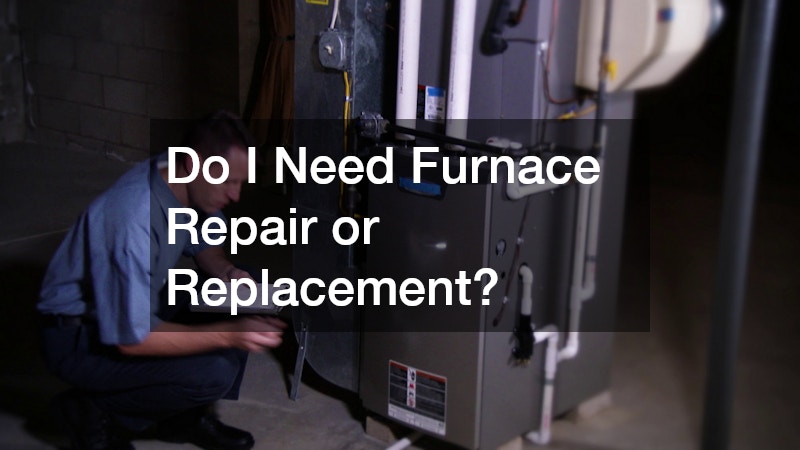
When the chilly winds of winter begin to blow, ensuring that your home is warm and comfortable becomes a top priority. However, if you find yourself in a situation where your furnace isn’t performing as it should, you may be faced with the dilemma of choosing between furnace repair or replacement. This decision is significant, as it carries financial implications and affects the comfort of your home.
In this blog post, we will explore the signs that suggest whether you need a repair or a new unit, and provide you with essential factors to consider to guide your decision-making process.
Understanding Furnace Age and Efficiency
One of the primary considerations when deciding between repairing or replacing your furnace is its age. Most furnaces typically last 15 to 20 years, so if yours is approaching this age, it may be time to consider a replacement. Older furnaces tend to be less efficient, resulting in higher energy bills and less reliable performance. Even if your furnace is still operational, if it is frequently breaking down or has reduced efficiency, investing in a new unit could save you money in the long run. Remember that new models not only come with improved energy efficiency but may also qualify for rebates or tax credits, further offsetting the initial investment.
Signs of Deteriorating Performance
Another factor to consider is how well your furnace is currently performing. Common signs that your furnace is failing include inconsistent heating throughout your home or frequent cycling on and off. If you notice that certain rooms are colder or hotter than others, there could be issues with airflow that may require more than simple repairs. Additionally, unusual sounds, such as rattling or banging, or strange odors emanating from the unit can signify serious problems. Such symptoms suggest that a furnace repair might be necessary; however, if these issues keep recurring, a replacement could be more practical.
Cost of Repair vs. Replacement
The cost of repairing your furnace compared to replacing it can be a crucial factor in your decision. Generally, it is wise to apply the “50% rule” when it comes to furnace repairs. If the cost of repairs exceeds 50% of the price of a new furnace, it may be more sensible to invest in a replacement. This rule helps homeowners avoid making repeated repairs on an old unit that could end up costing more than a new, energy-efficient model. It’s also essential to factor in any potential future repairs that could arise shortly after the current repair, amplifying the total costs. By carefully weighing these financial factors, you can make a more informed decision.
Environmental Impact and Energy Efficiency
In today’s environmentally conscious world, considering the ecological impact of heating systems is more important than ever. Older furnaces generally have lower energy efficiency ratings, often leading to higher carbon emissions and energy waste. By replacing your old furnace with a new, high-efficiency model, you not only contribute to a healthier planet but also benefit from reduced energy bills. Many modern furnaces come equipped with advanced technologies that optimize fuel consumption, further decreasing your home’s environmental footprint. Therefore, if your current unit is outdated, a replacement can be a worthwhile investment from both an economic and environmental perspective.
Consulting with Professionals
When in doubt about whether to repair or replace your furnace, consulting with a qualified HVAC technician can provide valuable insight. These professionals can assess your system’s overall efficiency, provide recommendations based on your home’s specific needs, and help you navigate the available options. They can also facilitate maintenance checks that may reveal underlying issues before they escalate. Moreover, a technician can inform you about the latest models that align with your budget and needs. So, before making any hasty decisions, seeking expert advice is always a sound approach.
Ultimately, deciding whether to repair or replace your furnace requires careful consideration of factors like age, performance, cost, efficiency, and professional guidance. By weighing these elements, you can determine the best course of action for your home and family. A functional furnace is crucial for maintaining comfort during frigid months, and making informed decisions will save you money and enhance your living conditions in the long run. Whether you opt for a repair or a complete replacement, early intervention and proper maintenance are key to ensuring your home stays warm, energy efficient, and comfortable for years to come.