
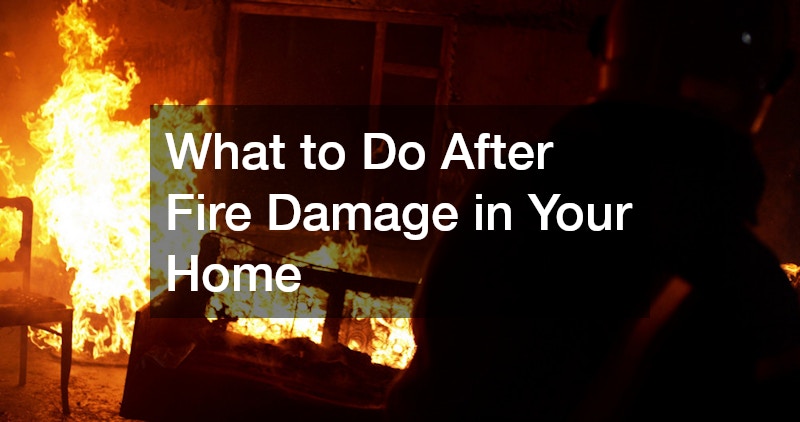
Experiencing a house fire is one of the most overwhelming events a homeowner can face. Beyond the immediate danger, the aftermath can leave you dealing with structural concerns, damaged belongings, and a long list of decisions that need to be made quickly. Knowing what steps to take can help you regain control, protect your property, and begin the recovery process with confidence.
This guide walks you through each stage of recovery, from ensuring safety to rebuilding and preventing future incidents. With the right approach and professional support, you can restore your home and move forward.
- Ensure Safety Before Reentering Your Home
- Document the Damage Thoroughly for Insurance
- Secure the Property to Prevent Further Damage
- Begin Immediate Cleanup and Water Removal
- Eliminate Smoke Odors and Soot Residue
- Salvage and Restore Personal Belongings
- Plan Structural Repairs and Necessary Rebuilds
- Upgrade Interior Finishes During the Restoration Process
- Navigate Insurance Claims and Payouts Efficiently
- Take Preventive Measures to Protect Your Home in the Future
- Conclusion
Ensure Safety Before Reentering Your Home
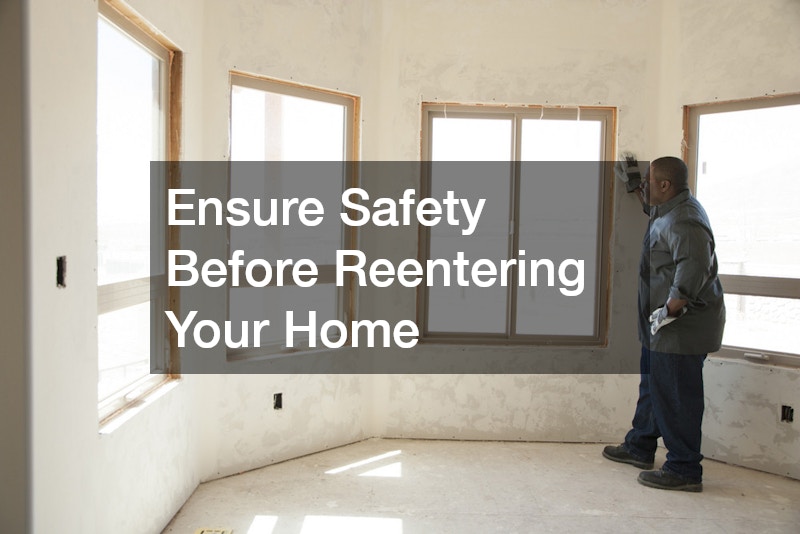
Before anything else, your safety and the safety of your family should be your top priority. Even after the flames are extinguished, your home may still present serious hazards that are not immediately visible.
First, wait for clearance from fire officials before entering your home. Structural instability, hidden embers, and compromised electrical systems can make it unsafe to return too soon. Once you have permission, proceed cautiously and avoid entering areas that appear heavily damaged.
When you do reenter, wear protective gear such as:
- Thick gloves to protect against sharp debris
- Sturdy boots with slip-resistant soles
- Long sleeves and pants to prevent skin contact with soot
- A mask or respirator to avoid inhaling harmful particles
Be aware of common risks, including weakened floors, falling debris, and exposed wiring. If anything seems unsafe, leave immediately and consult professionals.
This is where professionals offering fire damage services become essential. They can conduct a thorough inspection to determine whether the structure is stable and identify hidden risks. These experts are trained to assess both visible and underlying damage.
Additionally, fire restoration specialists can evaluate the overall condition of your property and outline the next steps for safe cleanup and recovery. Their early involvement ensures that no critical safety concerns are overlooked.
Document the Damage Thoroughly for Insurance
Once it is safe to enter your home, your next priority should be documenting the damage. This step is crucial for filing an insurance claim and ensuring you receive appropriate compensation.
Start by taking clear, high-resolution photos and videos of every affected area. Capture wide shots of rooms as well as close-ups of damaged items. Be thorough—document walls, ceilings, floors, appliances, furniture, and personal belongings.
Create a detailed inventory that includes:
- Item descriptions
- Approximate purchase dates
- Estimated values
- Condition after the fire
Keep all receipts related to temporary repairs, hotel stays, meals, and other expenses. These may be reimbursable under your policy.
When working with a claims adjuster, clear communication is key. Provide all documentation promptly and keep a record of every interaction. Ask questions if anything is unclear, and make sure you understand your coverage limits.
A fire damage restoration contractor can also play a valuable role during this stage. Many contractors assist with documenting damage and providing detailed estimates that support your claim. Their expertise can help ensure that nothing is overlooked and that your claim reflects the full scope of the damage.
Secure the Property to Prevent Further Damage
After documenting the damage, it is important to secure your home to prevent additional problems. Fires often leave properties exposed to weather, theft, and further structural deterioration.
Start by addressing any openings in the structure. Broken windows, damaged doors, and holes in the roof should be covered or sealed as soon as possible. Temporary solutions such as boarding up windows or placing tarps over exposed areas can help protect your home from rain and debris.
You should also:
- Shut off utilities like gas, electricity, and water if advised
- Remove valuables that were not damaged
- Install temporary fencing if the property is easily accessible
Working with a restoration contractor ensures that these tasks are handled correctly and efficiently. They have the tools and materials needed to secure your home quickly and safely.
Hiring a local restoration company can be especially beneficial because they can respond faster and are familiar with regional building codes and weather conditions. Their quick action can prevent secondary damage, which is often just as costly as the initial fire damage.
Begin Immediate Cleanup and Water Removal

In many cases, firefighting efforts leave behind significant water damage. If not addressed promptly, this can lead to mold growth, structural weakening, and further deterioration of materials.
The first step is removing standing water using pumps or specialized extraction equipment. Once the water is gone, the drying process begins. This typically involves industrial-grade dehumidifiers and air movers that help eliminate moisture from walls, floors, and hidden spaces.
Important cleanup steps include:
- Removing soaked carpets and padding
- Disposing of unsalvageable drywall and insulation
- Cleaning and disinfecting affected surfaces
A professional fire restoration service is equipped to handle this process efficiently. They understand how to locate hidden moisture and ensure that the property is thoroughly dried.
A restoration company also brings advanced equipment and expertise to the job, reducing the risk of long-term damage. Attempting to handle water removal on your own can lead to incomplete drying, which often results in costly repairs later.
Eliminate Smoke Odors and Soot Residue
Smoke and soot can cause extensive damage, even in areas that were not directly affected by flames. These residues can penetrate deep into materials, leaving behind strong odors and potential health risks.
Soot is particularly tricky to clean because improper handling can spread it further. Avoid using standard household cleaning methods, as they may worsen the problem. Instead, specialized cleaning techniques are required to safely remove soot from surfaces.
Effective odor and residue removal involves:
- Using air scrubbers to filter airborne particles
- Applying deodorizing treatments to neutralize odors
- Cleaning HVAC systems to prevent recirculation of smoke
Professional fire damage services are essential for this stage. They have the knowledge and equipment needed to address both visible and hidden contamination.
A fire restoration service can ensure that your home’s air quality is restored to a safe level. This step is critical not only for comfort but also for your health, as lingering smoke particles can cause respiratory issues over time.
Salvage and Restore Personal Belongings
One of the most emotionally challenging aspects of fire recovery is dealing with damaged personal belongings. While some items may be beyond repair, others can often be restored with the right approach.
Start by sorting items into three categories:
- Salvageable
- Unsalvageable
- Requires professional evaluation
For salvageable items, act quickly to prevent further damage. Clothing, for example, can often be cleaned if treated promptly. Important documents may be recoverable through specialized drying and restoration techniques.
Tips for restoring common items:
- Wash clothing using specialized detergents designed for smoke removal
- Freeze wet documents to prevent deterioration until they can be treated
- Avoid turning on electronics until they have been inspected
A restoration company can provide advanced content restoration services, including ultrasonic cleaning and ozone treatment. These methods are designed to remove contaminants and restore items to their original condition whenever possible.
Fire restoration experts can also advise you on which items are worth saving and which should be replaced, helping you make informed decisions during a difficult time.
Plan Structural Repairs and Necessary Rebuilds
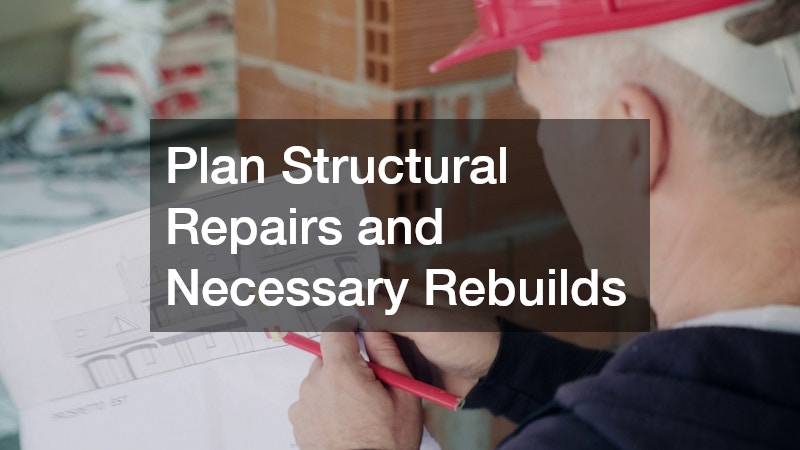
Once cleanup is complete, the focus shifts to repairing and rebuilding your home. Fire can compromise structural elements such as beams, walls, and foundations, making it essential to address these issues thoroughly.
Begin with a professional assessment to determine the extent of the damage. This will help you prioritize repairs and develop a clear plan of action.
Common structural repairs include:
- Replacing damaged framing and support beams
- Repairing or rebuilding walls and ceilings
- Addressing foundation issues
A fire damage restoration contractor is experienced in handling these complex repairs. They can coordinate inspections, obtain necessary permits, and ensure that all work meets safety standards.
Working with a skilled restoration contractor ensures that your home is rebuilt to last. Cutting corners during this stage can lead to future problems, so it is important to invest in quality workmanship.
Upgrade Interior Finishes During the Restoration Process
The rebuilding phase also presents an opportunity to improve your home’s appearance and functionality. Rather than simply restoring what was lost, consider making upgrades that enhance your living space.
For example, you can:
- Choose modern, fire-resistant materials
- Update outdated layouts for better flow
- Improve lighting and ventilation
Painting services can help refresh your home with new colors and finishes. This not only improves aesthetics but can also contribute to a sense of renewal after a traumatic event.
Partnering with a remodeling company allows you to take your upgrades further. Whether it’s redesigning a kitchen or creating a more open floor plan, these improvements can add long-term value to your home.
Balancing restoration with upgrades ensures that your home is not only repaired but also improved, making the recovery process more rewarding.
Navigate Insurance Claims and Payouts Efficiently
Managing an insurance claim can be one of the most complex parts of recovering from a fire. Understanding how to navigate this process can help you avoid delays and ensure a fair settlement.
Stay organized by keeping all documentation in one place. This includes photos, receipts, estimates, and correspondence with your insurance provider.
When working with a claims adjuster, be proactive. Follow up regularly, ask for updates, and clarify any uncertainties. If you disagree with an assessment, don’t hesitate to request a second opinion.
A local restoration company can assist by providing detailed estimates and working directly with your insurance provider. Their experience with similar cases can help streamline the process and reduce stress.
Key tips for success:
- Review your policy carefully
- Meet all deadlines
- Keep copies of everything
Taking a structured approach can make a significant difference in how quickly and smoothly your claim is resolved.
Take Preventive Measures to Protect Your Home in the Future

After rebuilding your home, it is important to focus on prevention. Taking proactive steps can reduce the risk of future fires and provide peace of mind. Being intentional about safety now can help protect both your property and your family over the long term.
Start with basic safety measures:
- Install smoke detectors on every level of your home
- Test alarms regularly and replace batteries as needed
- Keep fire extinguishers in accessible locations
In addition to these essentials, consider upgrading to interconnected smoke alarms so that when one sounds, they all activate. This provides earlier warnings, especially in larger homes. You may also want to install carbon monoxide detectors and consider smart alarm systems that send alerts directly to your phone.
You should also evaluate your home’s electrical system and appliances. Faulty wiring and outdated equipment are common causes of house fires. Pay close attention to warning signs such as flickering lights, frequently tripped breakers, or outlets that feel warm to the touch. Avoid overloading outlets and use surge protectors where appropriate. It’s also wise to schedule a professional electrical inspection, especially if your home is older or has undergone significant repairs.
When it comes to appliances, routine maintenance is key. Clean dryer vents regularly to prevent lint buildup, check heating systems annually, and replace any malfunctioning or aging equipment. Small maintenance tasks can significantly reduce fire risk over time.
Working with a remodeling company can help you incorporate fire-resistant materials and design features into your home. This might include fire-rated insulation, non-combustible siding, and improved ventilation systems. You can also explore upgrades like tempered glass windows, metal roofing, and fire-resistant decking materials, which add an extra layer of protection without sacrificing aesthetics.
Landscaping choices can also play a role in fire prevention. Creating defensible space around your home by trimming trees, removing dead vegetation, and keeping flammable materials away from the structure can help slow the spread of fire. Even simple steps like storing firewood at a safe distance can make a difference.
Insights gained during fire restoration can also guide your prevention strategy. Understanding what caused the fire and how it spread can help you make smarter decisions moving forward. For example, if the fire originated in a specific area, you can reinforce that space with better materials or updated systems. Learning from the experience allows you to address vulnerabilities directly and build a safer, more resilient home.
Conclusion
Recovering from a house fire is a complex process that requires careful planning, timely action, and the right support. By following a structured approach—from ensuring safety and documenting damage to rebuilding and prevention—you can navigate this challenging experience more effectively.
While the journey may feel overwhelming, each step brings you closer to restoring your home and regaining a sense of normalcy. With patience and the right resources, it is possible to rebuild stronger and create a safer living environment for the future.